
Construction sites are among the most vulnerable work environments when it comes to theft, vandalism, and unauthorized access. With valuable equipment, materials, and tools often left on-site overnight or for extended periods, ensuring proper security is essential. A well-planned construction site security strategy not only protects assets but also improves safety, reduces project delays, and minimizes financial losses.
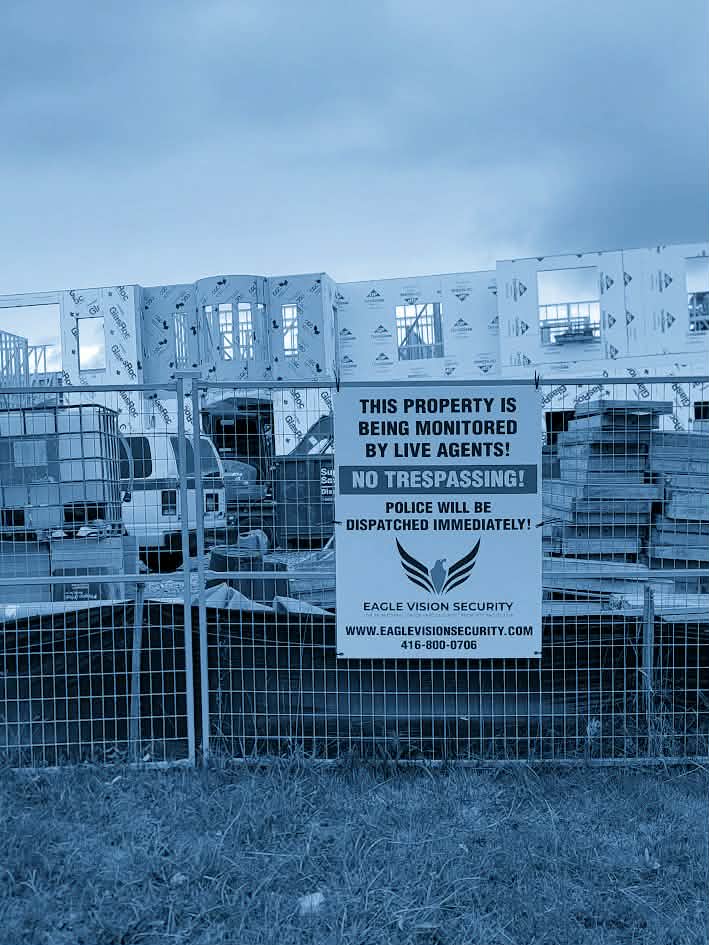
One of the most effective ways to secure a construction site is through perimeter protection. Strong fencing around the site acts as the first line of defense. Chain-link fencing with anti-climb features is commonly used, and it should be fully enclosed construction site security with locked gates. Clear signage stating that the area is a restricted construction zone also helps deter intruders.
Lighting is another critical factor in site security. Poorly lit areas provide cover for unauthorized entry and theft. Installing motion-activated floodlights around the perimeter and key working zones can significantly reduce security risks. Well-lit sites are less attractive to criminals and improve visibility for any surveillance systems in place.
Surveillance systems play a major role in modern construction site security. CCTV cameras should be installed at all entry and exit points, as well as in high-value storage areas. These systems not only help monitor activity in real time but also provide valuable evidence in case of incidents. Many sites now use remote monitoring technology, allowing security teams to observe activity 24/7 from off-site locations.
On-site security personnel are also highly effective. Trained guards provide a physical presence that deters trespassers and allows for immediate response to suspicious activity. Guards can also conduct regular patrols, check credentials of workers and visitors, and ensure that safety protocols are followed.
Access control is another important aspect. Limiting entry to authorized personnel only helps prevent theft and accidents. This can be managed through ID badge systems, biometric scanners, or sign-in logs. Controlling vehicle access is equally important, especially for large sites where materials are frequently delivered and removed.
Proper storage of tools and materials further enhances security. High-value items should be locked in secure containers or storage units when not in use. Keeping the site organized and free from clutter also reduces opportunities for theft and makes it easier to monitor missing items.
Additionally, maintaining good communication among workers is essential. Employees should be trained to report suspicious behavior immediately. A clear security protocol ensures everyone understands their role in protecting the site.
Finally, regular risk assessments should be conducted to identify vulnerabilities. As the project progresses, the layout and security needs of the site may change, requiring updates to the security plan.
In conclusion, construction site security requires a combination of physical barriers, technology, human monitoring, and strict procedures. By implementing these measures, construction companies can protect their investments, ensure worker safety, and keep projects running smoothly without costly interruptions.